
Bengal Cat Guide
Bengal cats are active, intelligent, and enrichment-heavy companions. This guide explains energy demands, home setup, cost planning, and whether a Bengal fits your lifestyle in India.
Use this guide to judge routine fit, energy expectations, cost pressure, and daily care demands before you decide that this breed belongs in your home.
Origin
United States (with Asian leopard cat ancestry)
Size
Medium
Coat
Short coat
Monthly cost
High
Energy profile
Very high
Beginner ease
Low
Apartment fit
Low
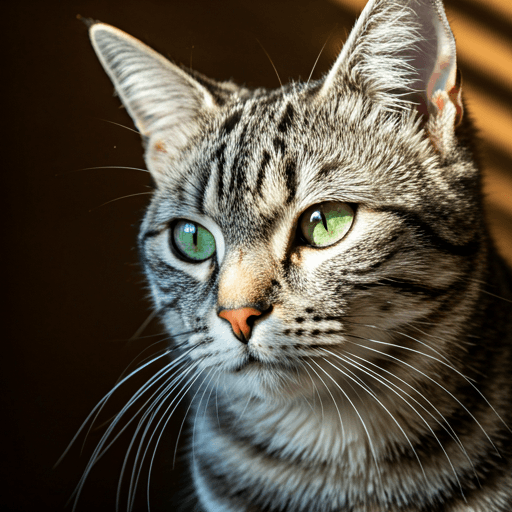
Very high energy, low beginner fit.
Daily routine matters
Energy, stimulation, and predictability often shape this breed more than looks do.
Beauty is not the whole fit
Temperament, cost, grooming, and home rhythm should drive the real decision.
Best for
- Highly engaged owners with daily play time
- Homes that can provide climbing and puzzle enrichment
- People comfortable with active and vocal cat behavior
Poor fit if
- Owners wanting a very calm, low-energy cat
- Homes with limited interaction time
- People expecting low-effort behavior management
Reality check
Breed fit is usually decided by everyday routine, not by a single trait score or visual preference.
Full breed guide
The content below is still sourced directly from the published MDX file. This redesign only changes the reading experience and visual structure.
Quick decision summary
Bengal cats can be rewarding for highly engaged households, but they are usually not low-effort companion cats. Daily mental and physical enrichment is essential.
Bengal cats are often chosen for their striking coat pattern, but appearance alone is a poor decision filter. Lifestyle fit matters more: time, play commitment, space planning, and behavior management capacity all need to be realistic before adoption or purchase.
At a glance
- Activity profile: typically high; can become frustrated without structured play.
- Grooming: usually lower than long-coated breeds.
- Vocality and interaction: often moderate to high.
- Apartment fit: possible only with strong enrichment setup.
- Budget signal in India: often medium-high to high due to stimulation and care demands.
Personality and energy expectations
Bengals are often curious, athletic, and persistent problem-solvers. Many seek frequent interaction and stimulation.
Without enough activity outlets, behaviors can escalate:
- repeated attention-seeking,
- destructive exploration,
- vocal frustration,
- over-arousal during play.
This is usually an unmet-needs issue, not "bad behavior."
Home setup requirements
Daily enrichment baseline
- Two or more active play sessions.
- Vertical climbing options.
- Rotating puzzle/enrichment tasks.
- Structured routine for meals, play, and wind-down.
Why routine matters
In many cases, Bengal behavior stabilizes when energy output and mental stimulation are predictable. Inconsistent routines can increase stress behaviors.
For behavior troubleshooting, see Cat Scratching Furniture and Litter Box Problems in Cats.
Apartment suitability in India
Apartment caution
A Bengal can live in an apartment, but only if enrichment is intentional and daily. Limited floor area is less important than routine activity opportunities.
In warm cities, also consider:
- cooling and hydration during summer,
- avoiding intense activity in peak heat,
- maintaining clean, low-stress indoor zones.
Monthly cost and effort planning
Compared with lower-energy cats, Bengal ownership often has additional ongoing effort and cost through:
- enrichment tools and replacement cycles,
- higher activity-related care routines,
- behavior support adjustments,
- preventive health monitoring.
Budget for consistent care, not just one-time setup. Use Monthly Cost of Owning a Cat in India as a planning framework.
Beginner suitability
Bengals are usually not the easiest first breed match. A beginner can still do well with strong preparation, but "low-time" ownership expectations usually conflict with Bengal needs.
If you want a calmer first experience, explore Persian Cat or Indian Domestic Cat fit profiles.
Health and welfare notes
High activity does not eliminate health risk. Any sudden behavior or appetite change can still indicate a medical issue and may require veterinary assessment.
Medical disclaimer
This guide is for educational purposes only and does not replace professional veterinary advice.
Who should avoid this breed
A Bengal may be a poor fit if your home has:
- very limited daily interaction time,
- frequent long absences without enrichment backup,
- preference for quiet, low-energy companionship,
- low tolerance for exploratory behavior.
Related C4Cats guides
FAQs
Are Bengal cats good for first-time cat owners?
Usually only if the owner can commit to structured enrichment and active engagement every day.
Do Bengal cats need outdoor access?
Not necessarily. Many can thrive indoors with strong enrichment, vertical space, and play routine.
Are Bengal cats aggressive?
Not inherently. Unmet activity and stimulation needs often drive problematic behavior.
Do Bengals shed a lot?
Their coat is typically lower-maintenance than long-haired breeds, but grooming and hygiene still matter.
Can Bengal cats live with children?
Many can, especially in homes that teach respectful interaction and provide consistent routine.
Why do some Bengal cats become destructive?
In many cases it reflects boredom, under-stimulation, or inconsistent routine rather than intent to "misbehave."
Is Bengal ownership expensive in India?
It can be, especially when enrichment, preventive care, and behavior support are done properly.
Compare next
These published breed guides are the next useful comparisons if you want a different balance of energy, grooming, cost, or beginner ease.
Siamese Cat Guide
Siamese cats are social, vocal, and people-oriented companions. This guide helps you evaluate interaction needs, temperament fit, apartment suitability, and India-relevant care tradeoffs.
MediumIndian Domestic Cat Guide
Indian domestic cats are highly individual mixed-lineage cats that can adapt well to many homes. This guide covers temperament ranges, care, cost, and adoption-focused decision points.
LargeMaine Coon Cat Guide
Maine Coon cats are large, social companions with moderate-to-high grooming and budget needs. This guide covers temperament, space planning, heat considerations, and India-focused cost fit.